

Lately, my TV has been filled with political ads about corruption.
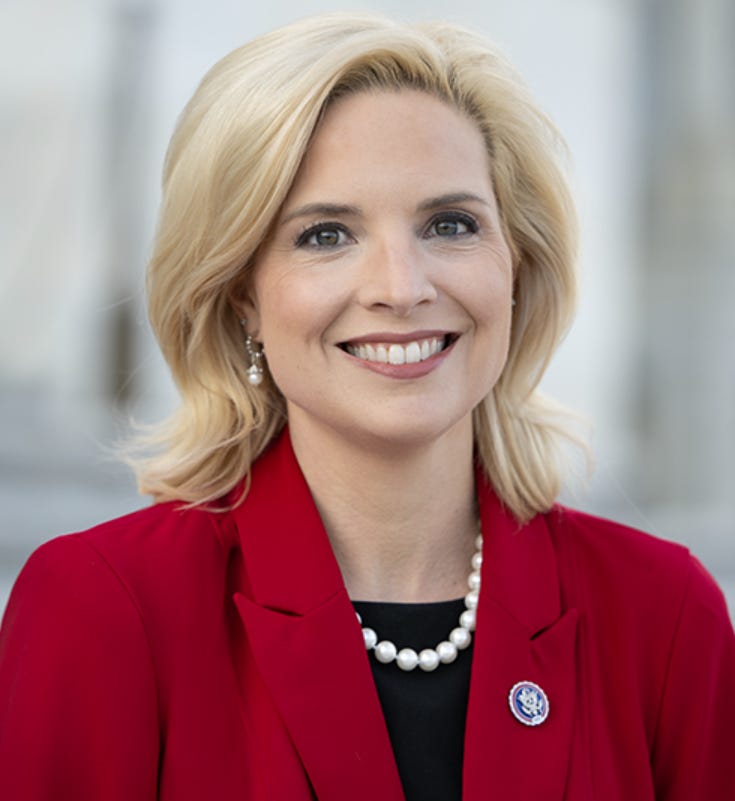
US Reps. Mariannette Miller-Meeks and Ashley Hinson, in particular, have been telling us how they’re fighting government graft.
I can see why they’re talking about this. A record 89% of the American public says corruption is widespread in government, according to a Gallup poll released this week. That’s sharply higher than the 73% of Americans who said the same two years ago.
Small wonder.
Since he got back into office, President Trump has raised corruption to new heights. (Or should I say new lows?)
It’s paid off handsomely, too.
Trump raked in $2.2 billion in his first year back in the White House, according to a Wall Street Journal analysis of his financial disclosures.
No doubt, politicians in both parties have profited by their service. But Trump is in a class by himself. As the Journal pointed out, other presidents divest their holdings or put them in a blind trust when taking office. But Trump has put many of his assets in a revocable trust overseen by his son, Don Jr., the newspaper reports. The president has said he doesn’t talk with those who are managing his money.
I don’t think the American people are buying this.
Unaligned voters are especially worried about corruption. Gallup says 90% of independent voters now say corruption in the government is widespread, up from 78% in 2024.
That’s a huge jump, and it’s undoubtedly driven by Trump’s actions.
In fact, a Reuters-Ipsos poll last month said that 66% of independents, and 63% of those polled overall, said Trump has inappropriately profited from his cryptocurrency deals. Meanwhile, Axios reported a recent The Economist-YouGov poll found “broad disapproval of Trump and his family doing business with foreign countries, with 65% disapproving.” This included 32% of Republicans.
Yet, Miller-Meeks and Hinson seem oblivious to these concerns. Their television ads only complain about stock trading in Congress. This is a legitimate concern, but it’s sort of like fishing for crappies on Capitol Hill while ignoring the whale in the White House.
I suppose this is understandable from their perspective. Miller-Meeks and Hinson are Republicans, and complaining about the Trump administration’s rampant corruption would end their careers.
Thus, their silence. But most Americans are clearly noticing the trend. It’s hard not to. Here is just a sampling of the deals that have benefited Trump since his second term began:
The president made $1.4 billion on crypto deals and $575 billion in real estate transactions in 2025, the Journal says.
He was given a $400 million jet by Qatar, to be used as a temporary Air Force One. Trump previously said the plane would go to his library after he left office, but now they’re backing off this story, according to a recent New York Times report. The plane’s final destination? Unknown.
CNN reports Trump’s latest financial disclosure, filed in August, shows the president disclosed more than 1,000 stock trades in June, including in companies “directly affected” by the Iran War. This is just the latest report of unprecedented trading activity by a president, including in defense-related companies, news reports say. Technically, presidents are exempt from conflicts of interest laws, but an expert in government ethics told the Associated Press in May if a defense secretary had done this it would be a crime. Nonetheless, he called it a “breach of trust.”
Trump has also extensively used his pardon power to help political allies and supporters, as well as a person with business ties to the crypto venture run by his sons.
Trump even struck a deal with his own Justice Department to settle a lawsuit he had filed after a contractor working for the Internal Revenue Service during his first term leaked the tax returns of thousands of wealthy individuals, including Trump’s. The deal was so unusual the industry publication Tax Notes called it an “unprecedented order barring the pursuit of tax claims against President Trump and his affiliates.”
That’s some gift, but this may be the worst example yet. It’s from a CNBC article in February:
A government official and top royal from the United Arab Emirates purchased a $500 million stake in the Trump family’s cryptocurrency venture last year, months before the Trump administration greenlit the sale of advanced AI chips to the UAE, The Wall Street Journal reported on Saturday.
The Biden administration had largely blocked the chip transfer because officials were worried they could end up in China. Yet, a half billion dollars in the right hands and voila!
None of this is happening in a vacuum, either. Trump is getting rich even as he has repeatedly denied the pain Americans are feeling from high prices on gasoline and other goods because of his tariffs and the war in Iran.
Yet, from all this, Hinson and Miller-Meeks turn their heads. It’s sort of like watching a cop on the beat go after a pickpocket, even as he ignores the bank robber across the street.

I’m a little bit surprised that Democrats haven’t run TV ads focusing more on Trump’s corruption. Instead, they’ve suggested Miller-Meeks and Hinson have profited in their own ways.
This line of attack may or may not stick with Iowa voters. But one would think if you had two rivals pretending to fight corruption, you would tell the voters, particularly independents who are increasingly alarmed by Trump’s exploitation, that these two Republican members of Congress aren’t really fighting corruption. They’re abetting it with their silence.
Then again, as the polling indicates, the voters already have taken notice. Maybe they don’t need any further reminding from the Democrats.
If that’s the case, this could be bad news for Miller-Meeks and Hinson in November.
Along the Mississippi is a proud member of the Iowa Writers’ Collaborative. Please check out the work of my colleagues and consider subscribing to their newsletters. The Collaborative also partners with the Iowa Capital Dispatch, which provides Iowa news and commentary, including by members of the Iowa Writers’ Collaborative. Please consider making a donation to support its work, too.
Real ethics reform requires more than performative stock bans. If candidates are serious about stopping corruption—including figures like Donald Trump— they would’ve been talking about it for years. Hanson and others do not must address structural self-dealing:
Ban Campaign Self-Dealing: Prohibit campaign and PAC dollars from flowing into candidate- or family-owned businesses, hotels, and consulting firms.
Stop Pay-to-Play: Automatically cross-reference public grant and contract applicants against political donor registries to block awards tied to contributions.
Close Investment Loopholes: Force officials out of sector-specific ETFs and "blind trusts" into broad, total-market index funds.
Empower Citizen Enforcement: Create a private right of action letting taxpayers take corrupt officials to court when ethics boards fail to act.
Great piece, Ed, as always. Right on track with their claims they will stand up for access to healthcare and lower drug prices after they both voted for The One Big Horrible Bill.